Good Monday evening, Arlington. Here’s a look back at today’s most-read stories and a look ahead to tomorrow.
📈 Today’s most-read stories
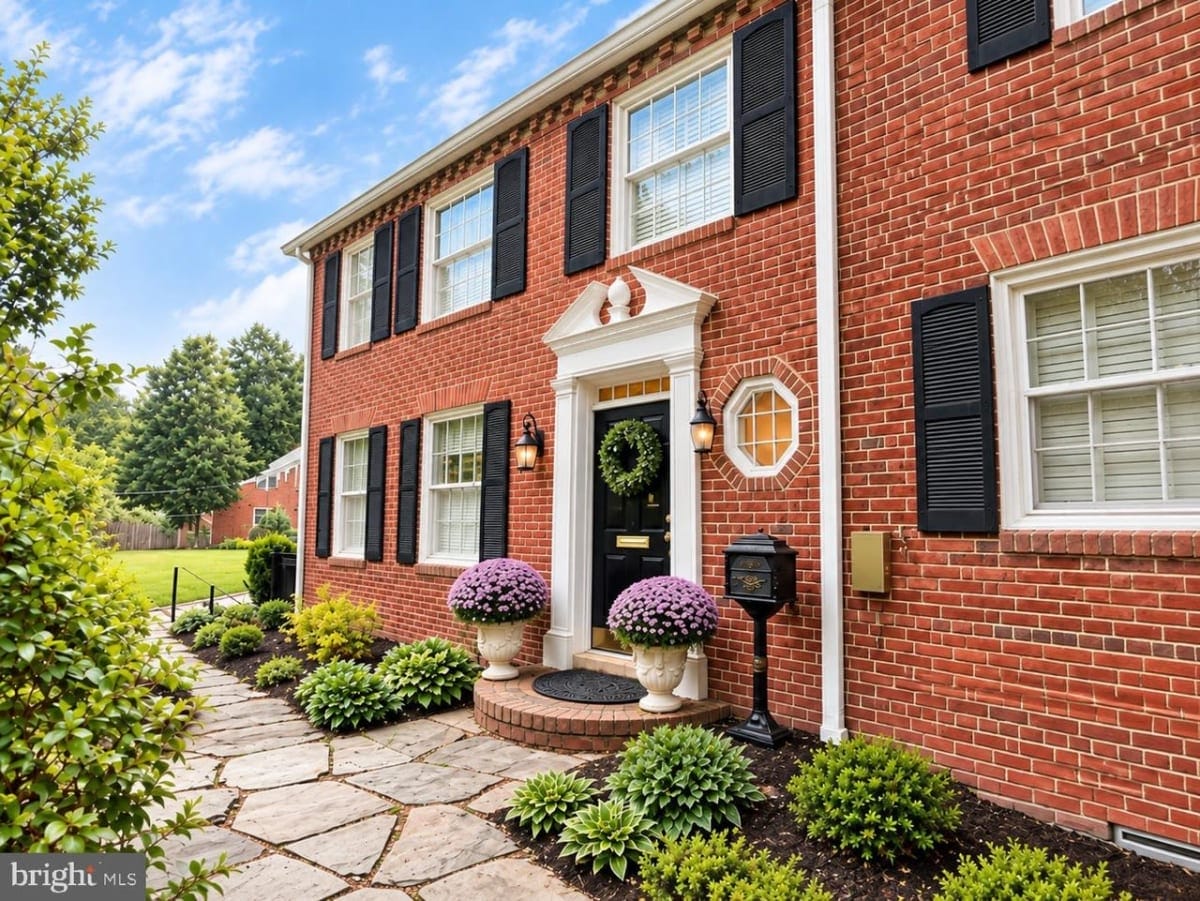
- Here are 16 businesses listed for sale in Arlington as of October 2026 (3,145 views)
- Man who fled to Europe after 2023 Clarendon shooting sentenced to 17 years (2,810 views)
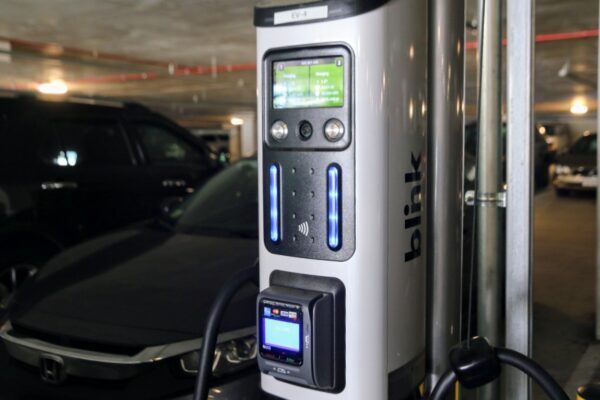
- Officials: Higher fees for charging electric vehicles will make program ‘self-sustaining’ (1,885 views)
🕗 More from today
Everything else we published today, Oct 26, 2026.
- Morning Notes for October 26, 2026
- Fall leaf collection starts in two weeks in Arlington
- O’Connell roundup: Football, other teams are enjoying strong seasons
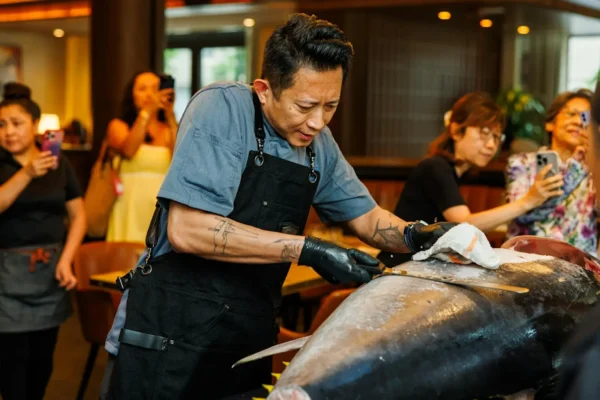
- Live tuna carving, make-your-own dumpling class and more happening in Rosslyn
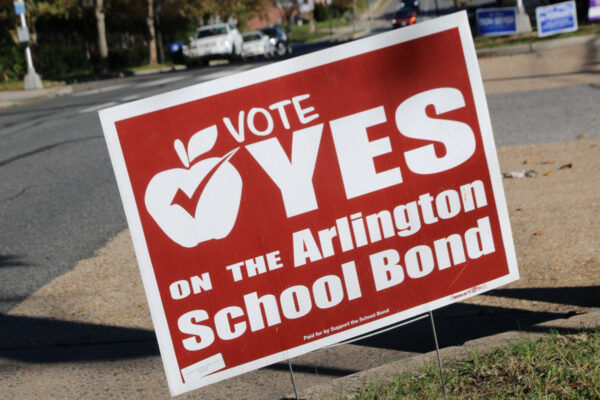
- School bond boosters seek ‘broad-based support’ for $80M referendum
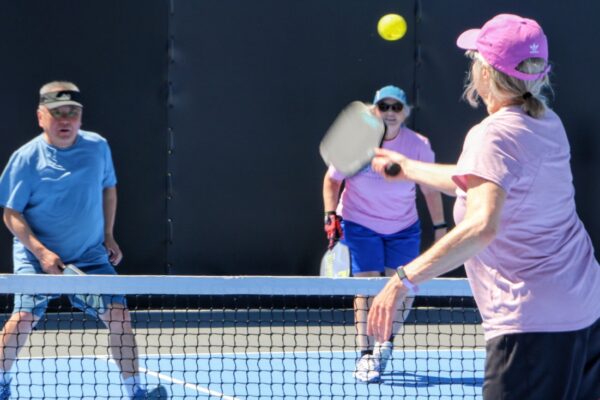
- Pickleball players press for a ‘flagship facility’ at Quincy Park
📣 Announcements
Chalice Theatre Presents Copenhagen | Performances November 6–15, 2026
Chalice Theatre presents the Tony-award winning play Copenhagen, by Michael Frayn, Nov 6-15… [Announcement]
📅 Upcoming events
Here is what’s going on Tuesday in Arlington, from our event calendar.
- 9:30 am: Cybastion Fusion Center Job Fair for IT, Defense and Intelligence Professionals
- 6:00 pm: Bingo for Cancer Care
- 6:00 pm: Courthouse Library Death Cafe
- 6:30 pm: Author Talk: Alma Katsu on "Incarnate"
⭐ Featured events
Building Your New Mom Village Mixer
Oct 29: First-time pregnant moms, new moms and perinatal providers – let’s connect! Note: this location is near MOSAIC DISTRICT. [Event]
💉 The Vaccine Trifecta: The Intersection of Science, Policy, and Politics
Oct 29: Join Dr. Bruce Gellin for the 2026 Dolan Lecture to explore how science, policy, and politics shape vaccine acceptance and public trust. [Event]
Standup Comedy Show Starring Jim Bryan (Prime)
Oct 30: Comedian Jim Bryan (Amazon Prime) and friends are coming to Arlington for an incredible standup comedy show! [Event]
HookedIRL Halloween Party
Oct 31: Singles Halloween Karaoke Night at Quincy Hall! [Event]
The Last Supper: Planning for the End of Life
Nov 1: We’ll gather over lunch for meaningful learning and compassionate discussion on preparing for the end of life. [Event]
Dialogue for Democracy
Nov 3: Dialogue for Democracy invites high school students from across the DMV to George Mason University. [Event]
How Do Retirement Communities Work? – Free Workshop
Nov 4: Interested in learning about how Continuing Care Retirement Communities work, but don’t know where to start? Join us on 11/4 to learn more! [Event]
National Chamber Ensemble-Romantic Masterworks: Schubert, Mendelssohn, Brahms
Nov 7: National Chamber Ensemble’s 20th Anniversary Season opens with an evening of Romantic masterworks by Schubert, Mendelssohn and Brahms. [Event]
Submit events, announcements, or home listings to ARLnow.
🌤️ Weather update
Today: Arlington and Falls Church saw a high of 72° at 1:35 p.m. (6° above normal), a low of 46° at 3:55 a.m. and no rain.
Tonight: Mostly clear, with a low around 50. Northwest wind around 6 mph.
Tuesday: Sunny, with a high near 69. North wind 3 to 7 mph.
🌅 Tonight’s sunset
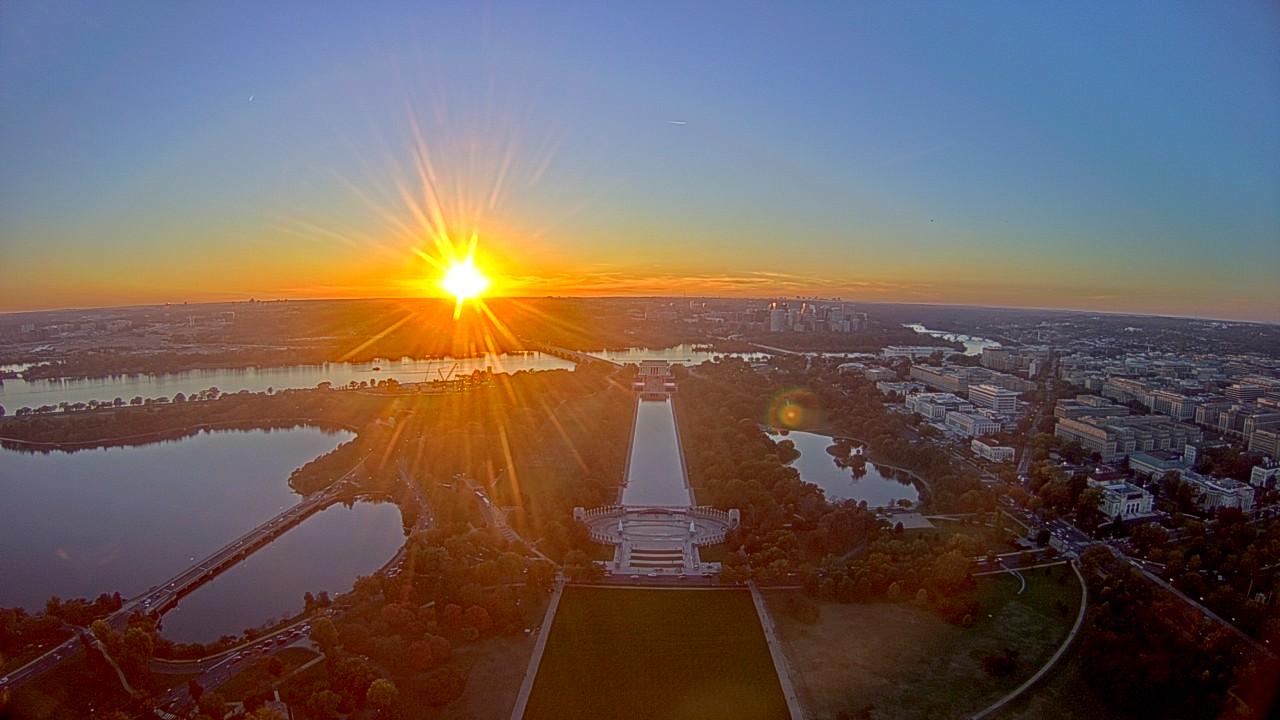
The MonumentCam screenshot above is used with permission of the Trust for the National Mall and courtesy of EarthCam.
Thanks for reading! Get the latest Arlington news on your phone with the free ARLnow app for iPhone and Android.